Towing has changed significantly as technology has become part of everyday roadside operations. What once depended heavily on phone calls, paper maps, and manual dispatching can now be supported by GPS tracking, digital dispatch systems, mobile communication, and artificial intelligence (AI).
For drivers in Calgary, Airdrie, and surrounding areas of Alberta, these improvements can make a difference when a vehicle breaks down or needs to be recovered. Modern technology helps towing companies understand where help is needed, select an appropriate vehicle, and coordinate responses more efficiently.
The Role of GPS in Modern Towing Services
GPS technology is one of the most useful developments in the towing industry. It allows dispatchers and operators to identify vehicle locations more accurately, which is particularly important when a driver is stranded on a busy Calgary road, in an unfamiliar neighbourhood, or along a major Alberta highway.
For a towing service in Calgary, accurate location information can help reduce unnecessary delays caused by unclear directions. Instead of relying only on landmarks or verbal descriptions, dispatchers can work with precise location details provided through a driver’s phone or other connected systems.
GPS Helps Dispatchers Coordinate Towing Requests
GPS can provide dispatch teams with a clearer picture of where vehicles and towing equipment are located. This can help operators determine which available unit may be suitable for a particular roadside situation.
For example, a disabled vehicle on the outskirts of Airdrie may require a different response from a vehicle that needs recovery in central Calgary. Location data can help dispatchers coordinate these situations while considering distance, traffic conditions, and the type of assistance required.
How AI Supports Faster Emergency Response
Artificial intelligence is also changing how service businesses process information and manage operations. In towing, AI-assisted systems can help analyse information such as service requests, locations, vehicle details, and operational patterns.
AI does not replace the experience of a professional towing operator. Instead, it can support human decision-making by helping teams organise information and identify practical response options more quickly.
This can be especially useful when multiple roadside assistance requests occur at the same time. During winter weather, heavy traffic, or periods of increased vehicle breakdowns, better information management can help towing companies coordinate resources more effectively.
AI and Smarter Towing Dispatch | Modern Towing Services
Traditional dispatching can involve several steps between receiving a call and assigning a suitable truck. Modern digital systems can bring much of this information together, helping dispatchers see service details and location information in one place.
A roadside request may involve a flat tire, dead battery, locked vehicle, collision, or vehicle breakdown. Having accurate information before a truck is dispatched can help the operator prepare for the situation and select appropriate equipment.
Better Response to Calgary Roadside Emergencies
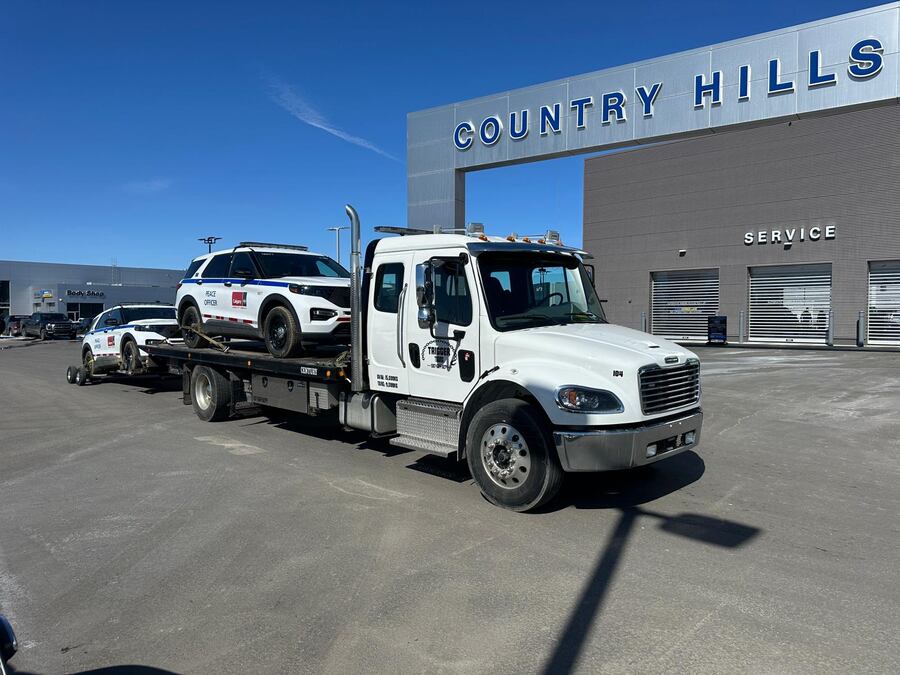
Calgary drivers can encounter a wide range of roadside problems, from dead batteries and flat tires to mechanical failures and collisions. Weather can also make roadside incidents more challenging, particularly during Alberta winters when snow, ice, and reduced visibility affect driving conditions.
Technology can help towing teams respond with better information when these situations occur. GPS can assist with identifying the vehicle’s location, while digital dispatch tools can help organise the request and communicate important details to the responding operator.
For drivers who need roadside assistance in Calgary, providing an accurate location and clear description of the problem remains important. Technology works best when it is combined with reliable information from the person requesting help.
GPS Helps Improve Vehicle Recovery Safety
Vehicle recovery requires more than simply reaching a customer. Operators must consider the vehicle’s position, surrounding traffic, road conditions, and the safest method for moving the vehicle.
GPS location data can help an operator understand where the vehicle is before arrival. This can be particularly useful when a breakdown occurs on a highway, near an intersection, in a parking area, or in an unfamiliar part of Calgary or Airdrie.
The right equipment is also important. Depending on the vehicle and recovery situation, a flatbed towing service may provide a suitable way to transport a vehicle while reducing unnecessary movement of its wheels.
Technology Makes Long-Distance Towing More Organised
Long-distance vehicle transportation requires careful planning because the journey may cover significant distances across Alberta. GPS can help towing operators monitor routes, understand travel distances, and coordinate pickup and delivery locations.
For customers arranging long-distance towing in Alberta, accurate addresses and vehicle information are particularly important. Clear communication before the trip can help reduce misunderstandings about pickup points, destinations, vehicle condition, and towing requirements.
Mobile Technology Improves Customer Communication
Modern towing services operations also benefit from mobile technology. Dispatchers and towing operators can communicate using mobile devices, allowing service information to move quickly between the customer, office, and driver.
This can make the overall experience easier for drivers who are already dealing with an unexpected vehicle problem. Customers can provide location information, explain the issue, and receive updates without relying entirely on traditional office-based communication.
Digital communication can also help when a driver is unsure about the exact location of their vehicle. Sharing a phone location or nearby landmark may give the towing team more useful information than a general street name alone.
What Smart Towing Means for Drivers
Smart towing is not simply about using more technology. The goal is to combine technology with experienced operators, appropriate equipment, and practical roadside procedures.
- More accurate location information
- Better coordination between dispatchers and operators
- Improved visibility of service requests
- More efficient route planning
- Better preparation before reaching a disabled vehicle
- Clearer communication during roadside emergencies
These benefits can be valuable for both private drivers and commercial customers in Calgary and Airdrie. Technology can improve the process, but safe vehicle handling and professional judgement remain essential parts of quality towing.
Why Human Expertise Still Matters
Even with advanced GPS and AI systems, towing remains a hands-on service. A digital system cannot independently assess every roadside hazard, vehicle condition, or recovery challenge.
Experienced operators must still determine how to approach a vehicle safely, select suitable equipment, secure the vehicle correctly, and manage changing road conditions. This human expertise is especially important when working near traffic or during difficult Alberta weather.
The best modern towing services operations therefore combine technology with trained professionals. GPS and AI can support better decisions, while operators provide the practical knowledge required to complete the job safely.
The Future of Towing in Alberta
Towing technology is likely to continue developing as connected vehicles, digital dispatch platforms, location services, and AI-assisted systems become more advanced. Future systems may provide even more detailed information about vehicle condition, location, traffic, and roadside hazards.
For towing companies serving Calgary and Airdrie, adopting useful technology can help improve operational efficiency without losing the personal service customers expect. The focus should remain on responding reliably, protecting vehicles, and helping drivers get back on the road safely.
For drivers, the most important advantage is simple: better technology can help towing teams receive better information and coordinate assistance more effectively when it matters most.